Table of contents
Nestled along the Left Bank, the 13th arrondissement of Paris offers a captivating blend of modernity and tradition. This vibrant district invites visitors to uncover its hidden gems, from colorful street art to culinary delights and riverside promenades. Dive deeper into Paris’s lesser-known side and discover why this neighborhood is quickly becoming a must-visit destination.
Discovering street art wonders
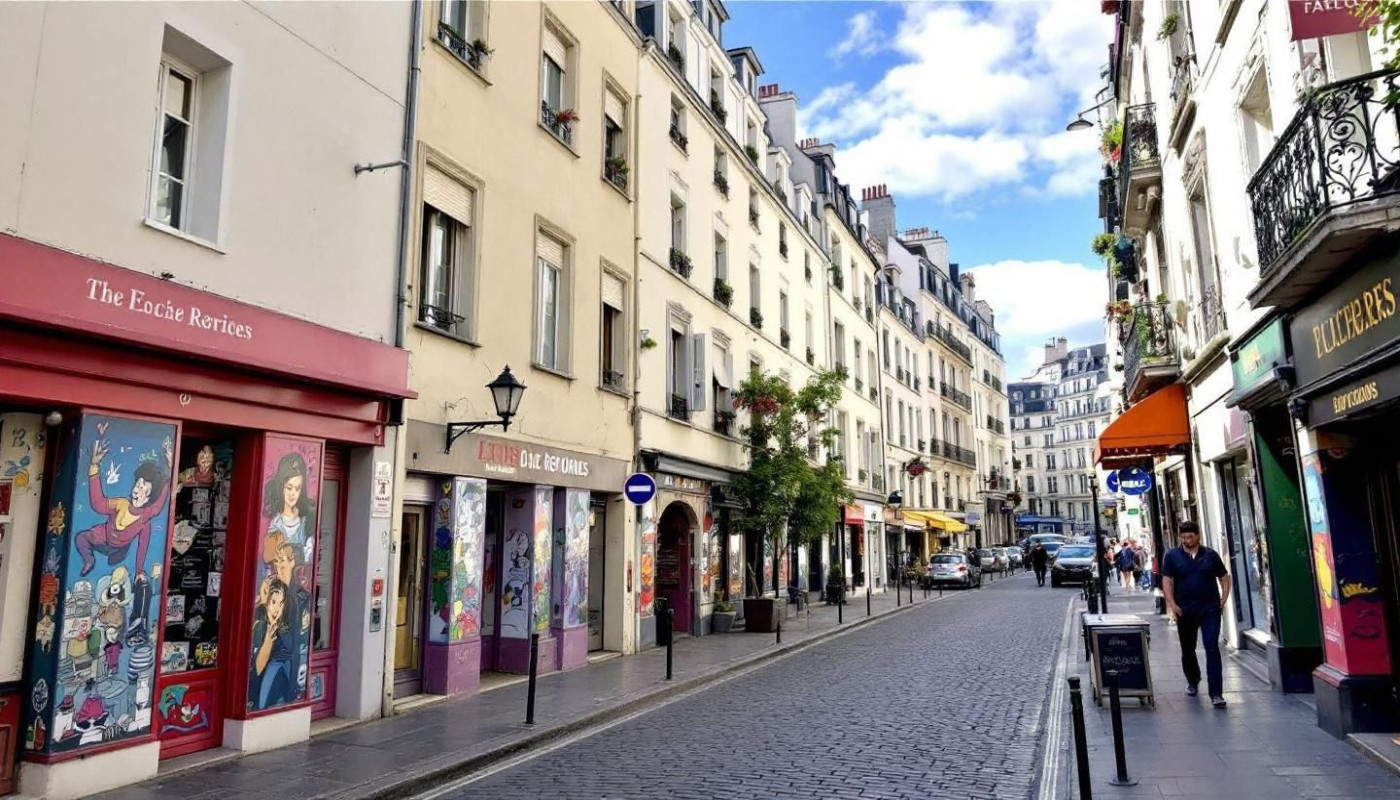
Within the 13th arrondissement, Paris street art thrives as a core feature of the district’s modern aesthetic, attracting attention far beyond city borders. Once a quiet, residential neighborhood, the area has become a celebrated open-air gallery where renowned and emerging artists collaborate to produce site-specific installations. Towering contemporary murals, such as those curated along Boulevard Vincent Auriol, transform blank façades into dynamic canvases, making each stroll through the quartiers a visual adventure on a mural trail that stretches across city blocks. These works range from intricate portraits to abstract compositions, displaying the versatility and ambition of urban creativity in Paris.
The impact of these mural trails reaches beyond visual pleasure; they anchor a sense of place and belonging within the community. Local residents and visitors now interact with their urban surroundings in new ways, fostering pride and dialogue. In the 13th, street art does not merely decorate but shapes the everyday experience, contributing to the shared identity of the arrondissement. As artists from all over the world leave their mark, the area becomes a living record of evolving artistic trends and social commentary, highlighting the role of public art in reflecting contemporary realities.
Exploring the 13th’s open-air gallery invites discovery beyond the well-known towers, urging visitors to seek out lesser-known gems nestled between busy boulevards and quiet side streets. Each site-specific installation carries its own story and cultural resonance, offering insight into the creative forces shaping the urban environment. Whether following a mapped mural trail or wandering spontaneously, the vivid interplay of color, scale, and context ensures that the arrondissement remains a beacon of urban creativity in Paris. Public art here elevates the cityscape, encouraging ongoing dialogue between artists, residents, and the ever-curious traveler.
Architectural contrasts abound
The 13th arrondissement stands as a striking showcase of Paris architecture, where modern buildings pierce the skyline beside remnants of historical factories and working-class housing blocks. The district’s transformation over the past decades is evident in urban planning strategies that have welcomed innovative skyscrapers like the iconic Tours Duo and the Bibliothèque François Mitterrand, shaping a cityscape that departs from the traditional Parisian aesthetic. These contemporary structures coexist with adaptive reuse projects, such as the transformation of the former Panhard & Levassor car manufacturing sites into vibrant mixed-use spaces, and old flour mills like Les Grands Moulins repurposed as university buildings. This interplay of new and old reflects the neighborhood’s ability to evolve without erasing its industrial heritage, instead integrating it into a dynamic urban identity.
The architectural diversity here has also turned the 13th into a compelling destination for visitors seeking an authentic perspective on Paris’s continuous urban evolution. The contrast between gleaming glass towers and historic brick warehouses provides a living example of adaptive reuse and innovative urban planning principles at work. For travelers intrigued by the distinctive ambience and looking for guidance on where to stay in Paris, the area offers an eclectic mix of accommodations close to the city’s most fascinating modern developments. Discover more about the vibrant atmosphere and accommodation options in the 13th arrondissement through where to stay in Paris, which provides resources to help visitors make the most of their experience in this architecturally rich district.
Cultural melting pot experience
The 13th arrondissement stands out as a multicultural district shaped by decades of cross-cultural interaction, best exemplified in the bustling Paris Chinatown. This neighborhood boasts an energetic Asian quarter, where Vietnamese, Chinese, Laotian, and Cambodian communities have left an indelible mark on architecture, commerce, and especially the local cuisine. Dim sum houses, pho restaurants, and specialty markets line the streets, providing a rich tapestry of Asian cuisine alongside French bakeries and trendy coffee shops. The aroma of spices and the vibrant signage in multiple languages create a sensory experience that immerses both residents and visitors in local culture.
Throughout the year, the 13th arrondissement becomes a stage for international festival events, such as the Lunar New Year parade, which transforms the main boulevards with colorful dragons, lanterns, and music. These celebrations not only showcase cultural heritage but also highlight the dynamic nature of cross-cultural interaction, drawing crowds from across Paris and beyond. Avenue de Choisy, Place d'Italie, and the Olympiades complex are key locations where this unique blend of influences is most evident. Here, the expertise of renowned cultural anthropologists in Paris confirms that the district’s cosmopolitan spirit continues to evolve, making it an essential destination for those seeking authenticity, diversity, and a deeper understanding of local culture in the heart of the city.
Pleasures of riverside living
The 13th arrondissement stands out for its unique connection to the Paris riverbank, where the Seine promenade weaves seamlessly into the district’s daily rhythm. Residents and visitors alike immerse themselves in a vibrant public realm, featuring well-maintained riverside pathways ideal for walking, cycling, or jogging. The fusion of urban parks and outdoor activities creates a sanctuary amid the city’s dynamism. Notable riverside attractions, such as Parc de Bercy and Jardin des Plantes, offer shaded retreats for picnics, yoga, or leisurely afternoons. The scenic Promenade Plantée, with its elevated views, encourages exploration beyond the immediate riverside while integrating the allure of green infrastructure within the urban landscape.
Living near the Seine promenade provides tangible benefits: improved air quality, mental well-being, and access to diverse recreational pursuits. These spaces foster community engagement through shared environments, where group fitness classes and outdoor concerts are regular highlights. The Paris riverbank’s thoughtfully designed public realm supports social interaction and relaxation, reinforcing the 13th arrondissement’s reputation as a haven for urban parks and riverside attractions. Whether seeking tranquility or active enjoyment, residents find the perfect blend of nature and city life along these revitalized waterfront corridors.
Modernity meets tradition
The 13th arrondissement stands as a compelling example of how Paris innovation thrives within a historic district while respecting its cultural heritage. This area showcases a dynamic interplay between heritage conservation and urban evolution, visible in the way centuries-old structures, such as the Manufacture des Gobelins, coexist with avant-garde projects like the Bibliothèque François-Mitterrand and high-rise residential towers of the Paris Rive Gauche district. Local authorities and residents collaborate in community projects that not only restore historic facades and maintain traditional local markets, but also support contemporary street art and digital startups, reflecting a robust commitment to both preservation and progress.
Community-driven initiatives in the 13th arrondissement emphasize the significance of maintaining a living connection to the past while actively shaping the city’s future. Artists’ collectives regularly transform former industrial spaces into creative hubs, seamlessly blending historic value with modern design. Urban planners, guided by leading experts in Parisian development, implement strategies that promote sustainable growth while retaining the area’s unique identity. With each transformative project, the arrondissement serves as a model for cultural integration, demonstrating how heritage conservation and innovation can work together to enrich the Parisian urban landscape and ensure its vibrancy for generations to come.
On the same subject